

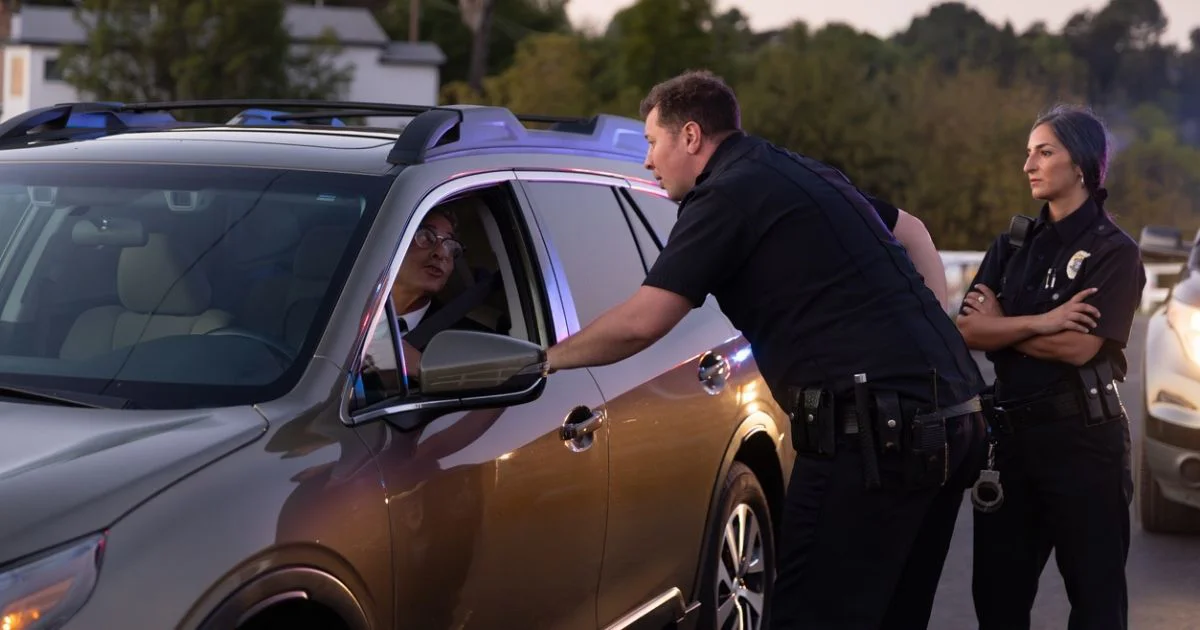
If you were recently stopped by police and are now facing a DUI charge, you are likely feeling anxious and uncertain about what comes next. Many people wonder whether the stop itself was even legal—especially if it felt like a roadblock or checkpoint. Understanding your rights under Washington law can make a major difference in how you approach your defense. Below, we break down what you need to know about DUI checkpoints in Washington and what it could mean for your case.
Are DUI Checkpoints Legal in Washington?
In Washington State, DUI checkpoints are not legal. Unlike some states that allow law enforcement to briefly stop drivers at predetermined roadblocks to check for impairment, Washington courts have held that such suspicionless stops violate the state constitution. The Washington Constitution provides strong privacy protections, and courts have ruled that stopping drivers without individualized suspicion exceeds the limits of the law.
This means police cannot lawfully set up a checkpoint where every driver is stopped solely to look for signs of intoxication.
Why Are DUI Checkpoints Illegal in Washington?
Washington’s constitutional protections are broader than those found in the U.S. Constitution. Courts have interpreted these protections to place stricter limits on government intrusion. As a result, DUI checkpoints are prohibited because they involve stopping drivers without a specific cause.
Here’s what that means in practice:
- No suspicionless roadblocks: Officers cannot stop drivers just because they are passing through a certain area.
- Strong privacy rights: Washington’s constitution prioritizes individual privacy over broad enforcement tactics.
- Evidence challenges may be possible: If a stop resembles a checkpoint rather than a lawful traffic stop, it could raise legal issues.
Even though checkpoints are illegal, law enforcement still aggressively pursues DUI enforcement through other methods.
How Do Police Enforce DUI Laws Instead?
Without checkpoints, officers rely on traditional traffic stops and targeted patrols. An officer must have reasonable suspicion that a traffic violation or criminal offense has occurred before initiating a stop.
For example, police may pull a driver over for speeding, weaving between lanes, failing to signal, or having a broken taillight. During that stop, if the officer observes signs of impairment—such as slurred speech, the odor of alcohol, or bloodshot eyes—they may begin a DUI investigation.
In short, Washington law requires a lawful reason for the initial stop before a DUI investigation can proceed.
What If My Stop Felt Like a Checkpoint?
Some drivers are unsure whether what they experienced qualifies as a checkpoint. In certain situations, law enforcement may conduct emphasis patrols or increased DUI enforcement operations. These are legal, but they must still comply with constitutional standards.
If you are concerned about how your stop occurred, consider the following:
- Was there a clear traffic violation? Officers must be able to articulate a specific reason for stopping your vehicle.
- Were all drivers being stopped? If every vehicle were pulled over without cause, that raises red flags.
- Is there bodycam or dashcam footage? Video evidence can clarify how and why the stop happened.
An experienced DUI defense attorney can review police reports, video footage, and other evidence to determine whether your rights were violated. If the stop was unlawful, it may be possible to challenge key evidence in your case.
Can an Illegal Stop Affect My DUI Case?
Yes, it can. If a court finds that law enforcement conducted an unconstitutional stop, evidence gathered afterward—such as field sobriety test results or breath test results—may be suppressed. Without that evidence, prosecutors may struggle to prove the case beyond a reasonable doubt.
However, these arguments require careful legal analysis. Not every uncomfortable or unexpected stop is unlawful. The details matter, and reviewing them early can strengthen your defense strategy.
Speak With a Snohomish County DUI Defense Lawyer
Facing a DUI charge in Snohomish County can feel overwhelming, especially if you are questioning whether the stop itself was legal. Understanding Washington’s strong constitutional protections is only the first step. The next step is making sure someone thoroughly evaluates your case.
At Snohomish Law PLLC, we help individuals accused of drunk driving understand their rights and explore every available defense. If you were arrested after what felt like a checkpoint or questionable stop, do not assume the situation is hopeless. Contact Snohomish Law PLLC today or call at (425) 321-3487 to discuss your case and protect your future.

.png.2601201419185.webp)